Building Scalable LLM Infrastructure Solutions
Building scalable LLM infrastructure is crucial for modern AI applications. It supports the computational needs of Large Language Models (LLMs). These models require immense processing power and memory. High-Performance Computing (HPC) plays a vital role in this domain.
AI accelerators, like GPUs and TPUs, enhance LLM performance. They speed up training and inference processes significantly. Scalable AI infrastructure ensures resources grow with demand. This flexibility is essential for handling large-scale AI workloads.
High-bandwidth and low-latency networking are key components. They enable fast data transfer and reduce operational bottlenecks. Designing effective LLM infrastructure involves many considerations. Energy efficiency and cost management are among them. This guide explores the components and strategies for building robust LLM infrastructure solutions.
Introduction to LLM Infrastructure
As AI continues to advance, the infrastructure supporting it must evolve. LLM infrastructure forms the backbone of this evolution, enabling complex computations and data processing. It integrates various technologies to meet the demands of Large Language Models (LLMs).
A well-designed LLM infrastructure supports scalability and flexibility. This allows organizations to efficiently handle increasing data loads and computational tasks. Key components include high-performance computing (HPC) and AI accelerators like GPUs.
Several aspects contribute to effective LLM infrastructure:
- High-bandwidth networking
- Low-latency data transfer
- Scalable resource allocation
Collectively, these elements ensure robust and responsive LLM operations. They facilitate the seamless execution of AI workloads across different environments, from on-premises systems to cloud platforms.
Definition of LLM Infrastructure
LLM infrastructure refers to the specialized systems that support large-scale language model operations. It combines hardware and software solutions to optimize AI performance.
These systems handle vast computational loads and data needs. They include high-performance computing resources, such as powerful processors and memory modules, to process complex algorithms efficiently.
Importance for Large Language Models (LLMs)
Large Language Models require robust infrastructure due to their complexity. Properly designed systems ensure models function smoothly and deliver optimal results.
LLM infrastructure is crucial for several reasons:
- Processing Power: High computational capabilities are needed to train LLMs.
- Scalability: Ability to expand as data and workload demands grow.
- Efficiency: Faster processing times improve model performance and reduce delays.
These factors are vital in keeping LLMs operating at peak performance, supporting various applications across industries. With the right infrastructure, businesses can harness the full potential of LLMs, driving innovation and efficiency.
Components of a Scalable AI Infrastructure
Building a scalable AI infrastructure involves integrating several critical components. Each element plays a specific role in enhancing system performance and efficiency. For effective infrastructure, businesses should focus on:
- High-performance computing solutions
- AI accelerators for optimizing computations
- Advanced networking capabilities
These components ensure AI workloads are handled efficiently, allowing systems to adapt to changing demands. Proper integration leads to improved performance, responsiveness, and scalability, making AI applications more effective and accessible.
High-performance Computing for AI Workloads
High-performance computing (HPC) forms the core of scalable AI infrastructures. It provides the computational power required for processing vast datasets and complex models. HPC systems consist of powerful processors that handle parallel computations efficiently.
The importance of HPC in AI workloads cannot be overstated. It supports tasks that involve significant computational complexity. AI applications benefit from HPC as it accelerates model training and data analysis processes.
Essential features of HPC systems include:
- Robust processing capabilities
- Parallel processing support
- High-speed interconnects
With these features, HPC systems enhance the ability of AI models to learn from large datasets rapidly, thus reducing the time to insights.
AI Accelerators and Their Role
AI accelerators are specialized hardware components designed to speed up AI workloads. They include GPUs and TPUs, which enhance the speed of training and inference in AI models. These accelerators are vital to managing the heavy demands of LLMs.
GPUs play a critical role in parallel processing. They handle multiple tasks simultaneously, which increases efficiency. In contrast, TPUs are optimized for matrix operations, making them highly effective for neural network tasks.
The benefits of using AI accelerators are:
- Faster processing speeds
- Improved energy efficiency
- Enhanced computational capabilities
By incorporating AI accelerators, organizations can achieve significant performance gains and support complex AI applications more effectively.
High-bandwidth, Low-latency Networking for AI
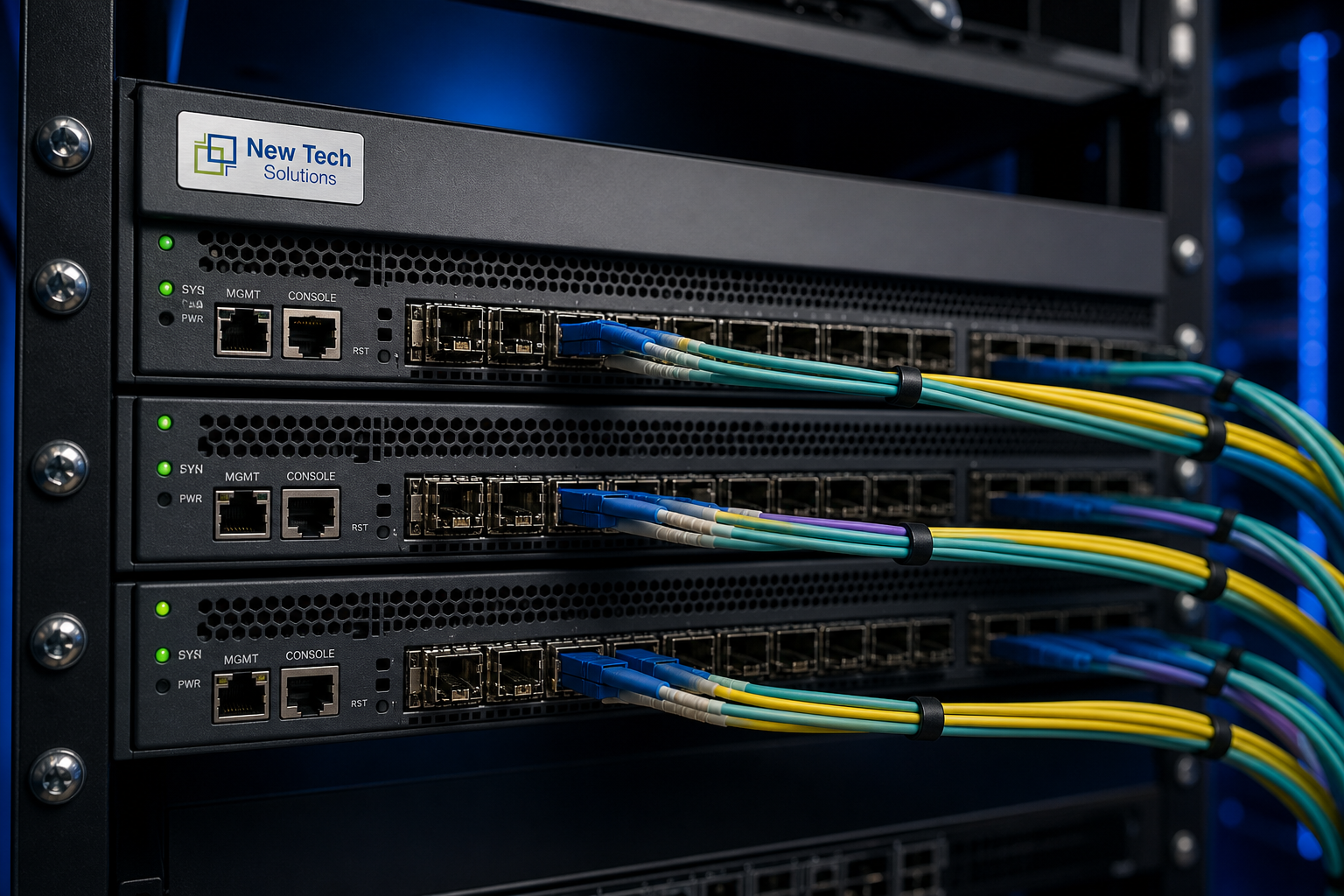
Networking is crucial for the seamless functioning of scalable AI infrastructures. High-bandwidth and low-latency networking facilitate fast data transfers, essential for real-time AI operations. These networks prevent bottlenecks that can hinder model performance.
High-bandwidth connections ensure that large datasets are transferred swiftly, minimizing downtime. Meanwhile, low-latency networks enhance the responsiveness of AI applications, critical for environments where speed is paramount.
Key networking features important for AI include:
- Efficient data transfer rates
- Minimal communication delays
- Reliable connectivity
The integration of sophisticated networking solutions is essential. It ensures that AI systems operate smoothly and efficiently, allowing models to deliver insights and results in real-time.
GPU-accelerated LLM Training and Inference
GPU acceleration is pivotal for the efficient training and inference of large language models (LLMs). This technology enables the handling of complex computations crucial for LLM tasks. Utilizing GPUs allows AI systems to process extensive data requirements swiftly and accurately.
Key advantages of GPU utilization include:
- Enhanced speed for training and inference
- Efficient handling of large datasets
- Improved resource utilization and energy efficiency
By leveraging GPUs, LLMs can be scaled more effectively, resulting in reduced training times and optimized resource allocations. This approach is instrumental in meeting the high-performance demands associated with advanced AI applications.
Benefits of GPU Acceleration
GPUs are at the heart of accelerating AI workloads due to their parallel processing capabilities. They can execute thousands of threads simultaneously, making them ideal for complex neural network tasks. This distinct feature offers a distinct edge over traditional CPUs.
The benefits of GPU acceleration include:
- Drastically reduced computation times
- Enhanced accuracy in processing large datasets
- Increased throughput for AI operations
Efficient GPU use significantly reduces the time needed to train large language models. This speedup allows researchers and developers to iterate more quickly, improving AI applications promptly. Moreover, GPUs contribute to cost savings by optimizing resource utilization, which is essential for large-scale deployments.
Best Practices for Training LLMs with GPUs
Effective GPU utilization requires adherence to certain best practices. These practices ensure optimal performance and resource efficiency. Adjusting GPU settings and configurations is a critical step in this process.
When training LLMs, consider the following strategies:
- Optimize batch sizes to utilize GPU memory efficiently
- Monitor GPU utilization rates regularly
- Implement data parallelism techniques
By following these practices, systems can maximize the potential of GPU resources. Optimizing batch sizes and configurations ensures that computations are handled smoothly without unnecessary strain on resources. Additionally, monitoring utilization allows teams to make data-driven decisions, adjusting strategies for better outcomes.
Overall, these strategies help streamline the development process, enabling rapid and efficient training of sophisticated large language models.
Designing for Scalability
Scalability is fundamental to robust LLM infrastructure. It ensures resources can grow to meet rising demands seamlessly. When designing scalable AI systems, adaptability is crucial, allowing infrastructure to expand efficiently.
Key elements to consider for scalability:
- Resource flexibility and effective load balancing
- Automated scaling processes for dynamic requirements
- Efficient management of high data throughput
In LLMs, scalability accommodates ever-increasing datasets and computational needs. This adaptability is essential in keeping up with the rapid evolution of AI models and the expansion of datasets, ensuring systems remain effective over time.
Factors Influencing Scalability
Several factors influence the scalability of LLM infrastructure. Identifying these factors helps in crafting solutions that can seamlessly expand or contract. Each element plays a distinct role in determining how well a system can adjust to changing workloads.
Critical factors include:
- Network bandwidth and latency considerations
- Hardware and software compatibility
- Efficient data management and storage solutions
Understanding these factors ensures that systems can handle increased demands without compromising performance. Efficient bandwidth management and the compatibility between components contribute to smooth operations. Robust data management practices underpin efficient operations, enabling the infrastructure to handle new data influx efficiently.
Elasticity in Cloud Environments
Cloud environments offer inherent elasticity, essential for scalable AI infrastructure. This feature enables systems to adjust resources dynamically based on demand. Elasticity ensures cost-effectiveness by only utilizing necessary resources.
In cloud environments, the ability to scale up or down rapidly is critical. This flexibility allows businesses to adjust their resources in line with fluctuating workloads efficiently. It reduces the risk of over-provisioning, thus managing costs effectively. Employing cloud-native tools enhances this process, ensuring seamless scalability and meeting the dynamic needs of large language models efficiently.
Hybrid Solutions: On-premise and Cloud Integration
A hybrid approach combines on-premise resources with cloud capabilities. It offers flexibility and risk mitigation across LLM infrastructure. This integration provides the best of both worlds, balancing control and scalability.
Important aspects of hybrid solutions include:
- Seamless integration of on-premise and cloud systems
- Balanced data management across multiple platforms
- Optimization of costs and operational efficiency
By leveraging hybrid solutions, organizations can tailor their infrastructure to meet specific needs. This flexibility allows for efficient resource allocation, optimizing both performance and cost-efficiency. Moreover, hybrid environments enable businesses to deploy sensitive workloads securely on-premise while scaling others in the cloud to accommodate peak demands.
Future Directions in LLM Infrastructure
The landscape of LLM infrastructure is evolving rapidly. Innovations in computing and hardware continue to redefine capabilities. Emerging technologies are poised to further enhance the efficiency and power of LLM systems.
As AI applications broaden, infrastructure must accommodate these changes. Continuous advancements promise to optimize computation and storage. Future directions in LLM infrastructure focus on integration with cutting-edge technologies that promise to improve performance and sustainability, ensuring systems remain robust and cost-efficient as demands increase.
Emerging Technologies in High-Performance Computing (HPC)
High-Performance Computing (HPC) is experiencing a transformation. New technologies are redefining its role in AI infrastructure. These innovations offer unprecedented processing capabilities crucial for LLMs.
Notable emerging technologies in HPC include:
- Quantum computing for complex problem solving
- Neuromorphic chips that emulate brain structures
- Advanced interconnect technologies for faster data transfer
Quantum computing, though nascent, holds promise for exponential processing power. Neuromorphic chips offer brain-like processing efficiency, catering to intricate LLM tasks. Meanwhile, advances in interconnect technology facilitate rapid data communication, essential for low-latency AI operations. These technologies signify a leap forward in HPC capabilities, setting the stage for next-generation AI infrastructure.
Trends Shaping Large Language Models Infrastructure
Several trends are currently shaping LLM infrastructure's evolution. These trends aim to enhance model efficiency and sustainability. As LLMs grow, infrastructure must adapt to meet new challenges and opportunities.
Key trends influencing LLM infrastructure include:
- Greater emphasis on energy-efficient computing
- Integration of AI-driven automation in system management
- Adoption of edge computing for reduced latency
Energy-efficient computing addresses environmental concerns. AI-driven automation simplifies system management, reducing human intervention. Meanwhile, edge computing brings data processing closer to the source, cutting down on latency and improving responsiveness in AI applications. These trends reflect a shift towards smarter, more sustainable infrastructure solutions, accommodating the growing impact and scale of LLMs.
Conclusion
Building scalable LLM infrastructure is a complex yet rewarding endeavor. It requires careful planning and the integration of advanced technologies such as High-Performance Computing (HPC) and AI accelerators. These components ensure that infrastructure can meet the demanding requirements of Large Language Models (LLMs).
Focusing on high-bandwidth, low-latency networking, and GPU-accelerated processing offers significant advantages. These elements, combined with emerging trends and technologies, can result in efficient and powerful AI systems. By prioritizing scalability and innovation, organizations can create infrastructure solutions that not only support current demands but are also prepared for future advancements in AI workloads.
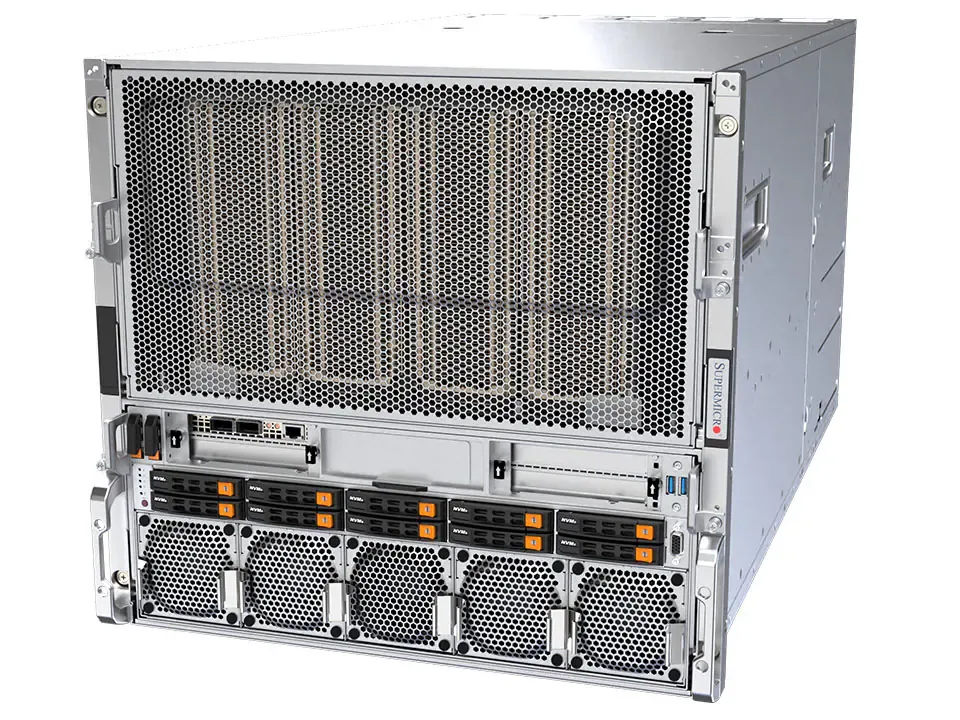
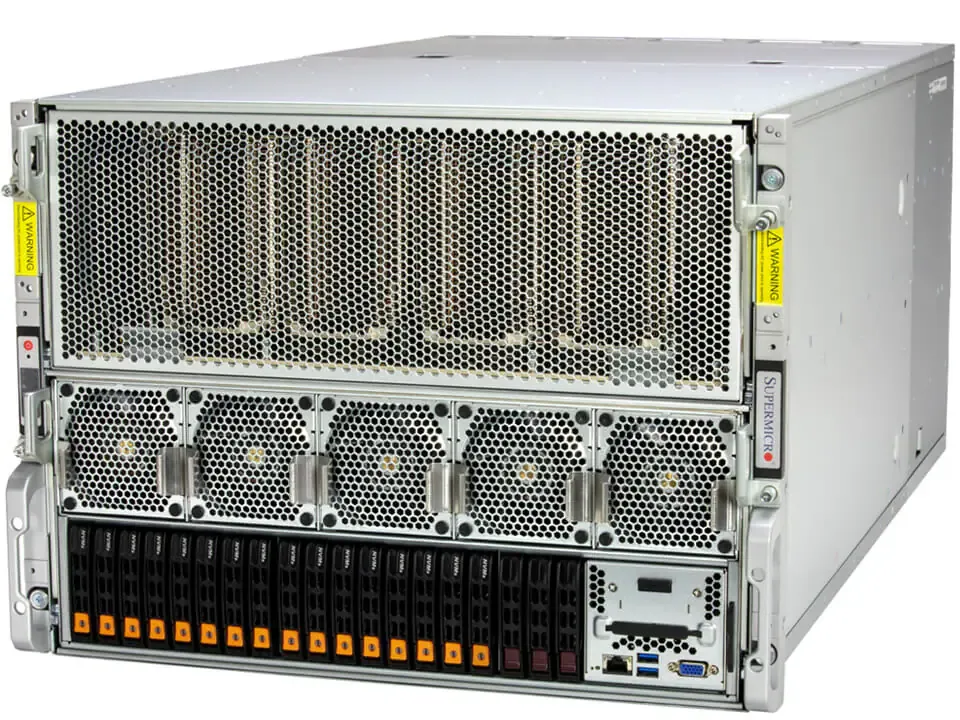
NTS Elite APEX HGX B200 AI Server NTS Elite APEX HGX H100 / H200 NTS Elite APEX HGX B300