3 min read
 NVIDIA Vera Rubin Platform for Agentic AI Is Ready
NVIDIA's Vera Rubin Platform: Finally Ready for Real Agentic AI
NVIDIA just dropped something huge. They call it the Vera Rubin platform , and it feels like the biggest step yet toward building truly intelligent, action-oriented AI systems. NVIDIA CEO Jensen Huang introduced it as a foundation for next‑generation AI infrastructure now moving into full production.
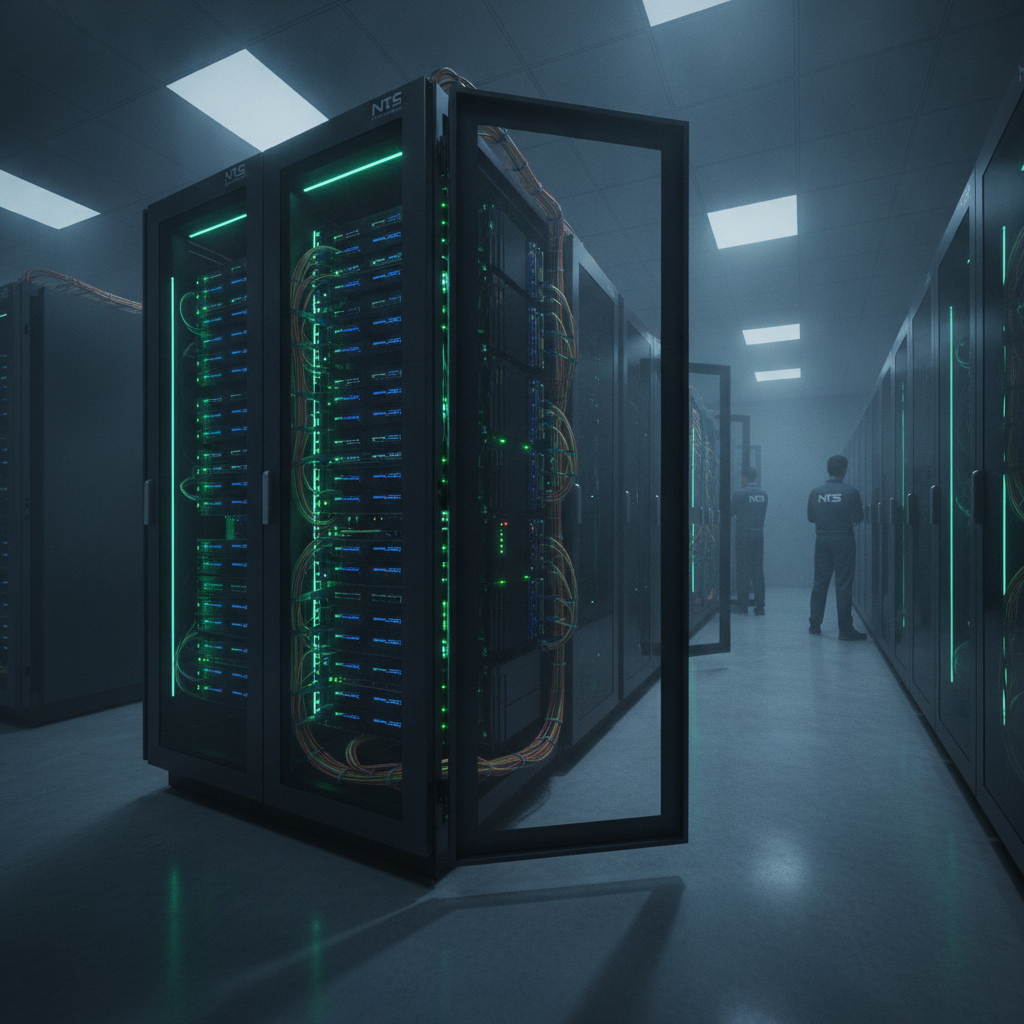
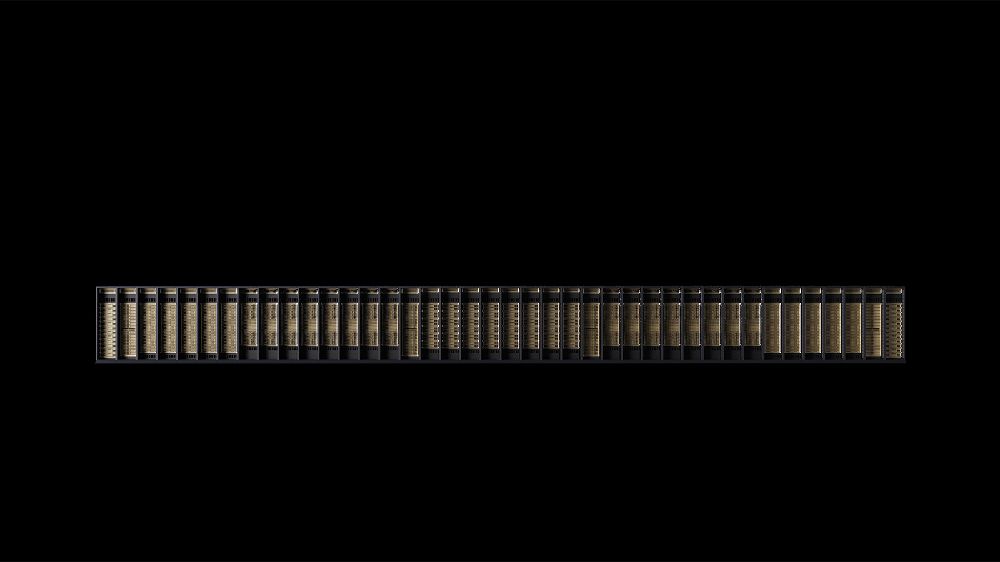
This isn't just another faster GPU. It's a full-blown rethink of how we build AI factories at massive scale. With seven brand-new chips now in full production, NVIDIA is shipping complete POD-scale systems that treat the entire rack as the basic building block of compute.
Summary
NVIDIA’s Vera Rubin platform is a co-designed, liquid-cooled, rack-scale AI factory built around seven new chips and five tightly integrated rack types, moving into full production. It targets agentic AI workloads across training and high-context inference, delivering major efficiency gains (up to 10x inference throughput and up to 35x per-megawatt on Groq 3 LPX) via NVLink 6, Spectrum-6, BlueField-4, and DSX orchestration. By treating the rack as the unit of compute, it boosts tokens per watt, goodput, and TCO at POD scale with advanced networking and optics. Leading AI labs and major clouds plan deployments beginning in the second half of 2026.
Five Smart Racks Working as One Team
Instead of mixing and matching random hardware, Vera Rubin comes with five tightly integrated rack types within a cohesive, liquid-cooled infrastructure:
- Vera Rubin NVL72 GPU racks : The powerhouse. Packed with 72 Vera Rubin GPUs and 36 Vera CPUs , all linked by the ultra-fast NVLink 6 switch and ConnectX-9 SuperNIC. This is where the heavy lifting for training and complex inference happens.
- Vera CPU racks : Built to handle the thinking parts --- reinforcement learning , managing huge KV cache and key-value cache , and keeping agentic inference smooth and responsive.
- NVIDIA Groq 3 LPX inference accelerator racks : These are the speed demons for real-time work. They deliver jaw-dropping inference throughput per watt , especially when running large mixture-of-experts models on LPX hardware.
- NVIDIA BlueField-4 STX storage racks : Smart storage offload using the BlueField-4 DPU so the GPUs don't waste time waiting for data.
- NVIDIA Spectrum-6 SPX Ethernet racks : High-speed networking with the Spectrum-6 Ethernet switch and co-packaged optics to move massive amounts of east-west traffic without breaking a sweat.
This liquid-cooled infrastructure is designed to work together seamlessly, backed by NVIDIA Quantum-X800 InfiniBand where needed.
The Seven Chips Powering the Future
At the core are seven new chips working in harmony:
- Vera Rubin GPU (the star compute engine)
- Vera CPU
- NVLink 6 switch
- ConnectX-9 SuperNIC
- BlueField-4 DPU
- Spectrum-6 Ethernet switch
- And the newcomer: Groq 3 LPU (inside the LPX racks)
This extreme level of co-design is what lets the platform hit big efficiency wins --- better tokens per watt , higher goodput , lower total cost of ownership (TCO) , and real improvements in energy efficiency.
Why This Matters for Agentic AI
We're moving past simple chatbots. The next wave is agentic AI --- systems that can reason, plan, use tools, and take actions on their own. That requires strong support for pretraining , post-training , test-time scaling, and handling massive context without slowing down.
Vera Rubin is built exactly for that. Early claims talk about up to 10x higher inference throughput in some scenarios and up to 35x higher inference throughput per megawatt in the Groq 3 LPX setups. There's also talk of 5x greater optical power efficiency thanks to the new networking and optics.
The NVIDIA DSX platform (including DSX Max-Q and DSX Flex) helps data centers squeeze more performance and resiliency out of the same power budget, improving TCO without compromising performance.
Who's Going to Use It?
Big AI players like Anthropic , OpenAI , and Mistral AI are clearly interested. Major cloud providers --- AWS , Google Cloud , Microsoft Azure , and Oracle --- and system manufacturers such as Cisco , Lenovo , Supermicro , and the rest of the NVIDIA MGX ecosystem will be offering systems based on this platform for modern AI infrastructure.
Expect the first real deployments in the second half of 2026.
My Take
NVIDIA isn't just chasing raw speed anymore. They're engineering the whole data center stack so AI factories can run more efficiently, with greater resiliency, and at a scale we haven't seen before. The Vera Rubin platform feels like the hardware foundation the industry has been waiting for as we push into truly autonomous, agent-like AI --- combining liquid-cooled infrastructure, advanced networking, and co-designed silicon to improve goodput, energy efficiency, and total cost of ownership.
It's an exciting time --- the tools to build the next generation of intelligent systems just got a serious upgrade.