7 min read
Understanding the Basics of GPU Servers
What GPU servers are, what they’re used for, and how they differ from CPU-only servers
In today's tech-driven world, GPU servers are gaining attention. But what exactly is a GPU server?
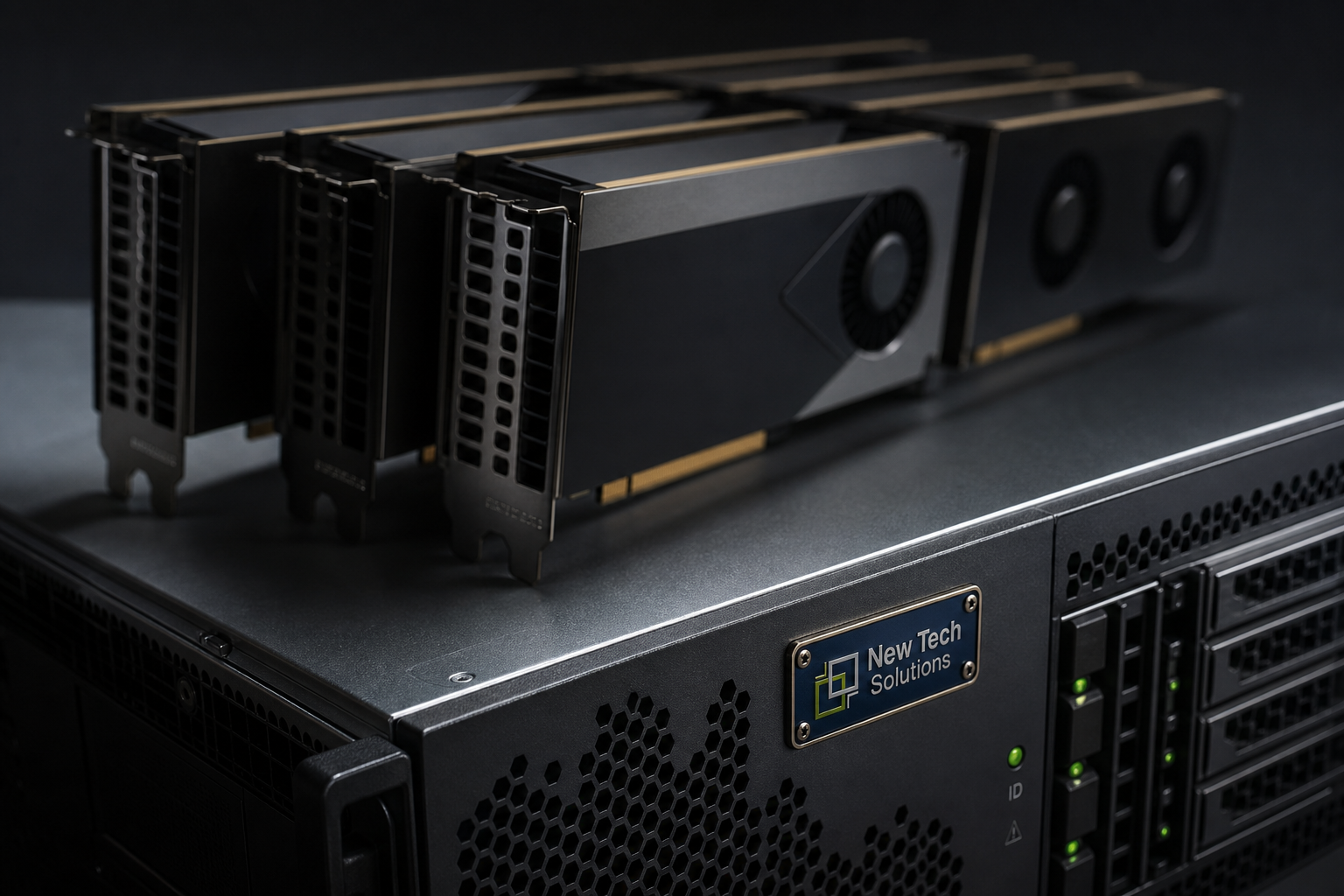
A GPU server is a powerful tool designed to handle complex computations. It uses Graphics Processing Units (GPUs) to accelerate tasks.
These servers are essential for industries that require high-performance computing. They are used in fields like artificial intelligence and scientific research.
Understanding GPU servers can unlock new possibilities for businesses. They offer enhanced performance and efficiency for data-intensive tasks.
This guide will explore the basics of GPU servers. Discover their functions, benefits, and applications across various sectors.
What is a GPU Server?
A GPU server integrates GPUs to boost computational power. While typical servers use Central Processing Units (CPUs), GPU servers add another layer of efficiency.
The server's GPUs process many tasks simultaneously, unlike CPUs focused on sequential tasks. This makes GPU servers perfect for parallel processing tasks.
GPU servers can handle vast amounts of data effortlessly. Their design suits tasks such as rendering graphics or training machine learning models.
Consider these key features of GPU servers:
- Enhanced parallel processing capabilities
- Superior performance for graphical computations
- Ability to handle large-scale data processing
Industries such as artificial intelligence, scientific research, and finance benefit greatly from GPU servers. They provide the speed and power necessary to drive innovation.
 | An AI Data Center on Your DeskNVIDIA DGX Station delivers data-center-class AI performance to a desktop workstation, helping you develop, train, and scale AI workloads faster. Get a Quote → |
How Does a GPU Differ from a CPU?
GPUs and CPUs serve different purposes in computing. CPUs handle various tasks using a few cores for sequential processing. They excel in managing operating systems, running applications, and executing basic computations.
In contrast, GPUs are built for parallel processing. They have thousands of smaller cores designed to handle multiple operations at once. This makes GPUs ideal for tasks that demand processing large data blocks, like rendering and simulations.
Here are key differences between GPUs and CPUs:
- Core Count: GPUs have more cores but are smaller.
- Processing Style: CPUs process sequentially; GPUs process in parallel.
- Task Suitability: CPUs for general tasks, GPUs for intensive data processing.
Thus, a GPU's architecture enables it to perform thousands of operations simultaneously. This ability is crucial for modern tasks like machine learning.
Key Components and Architecture of
GPU
Servers
The architecture of GPU servers is designed to maximize computational efficiency. Central to this architecture are GPUs, which offer parallel processing capabilities. These servers also include CPUs to manage simpler, sequential tasks.
Key components include the motherboard, which supports multiple GPUs. The power supply unit (PSU) ensures ample power for high performance. Effective cooling systems are also vital due to the heat generated by GPUs during intense computations.
Here are essential components of a GPU server:
- Graphics Processing Units (GPUs): The powerhouse for processing.
- Central Processing Unit (CPU): Manages non-parallel tasks.
- Motherboard: Supports multiple GPUs and system integration.
- Power Supply (PSU): Delivers necessary power.
- Cooling System: Maintains optimal temperature.
This architecture allows GPU servers to perform thousands of simultaneous tasks efficiently. This design is key for applications in AI, scientific research, and more.
picture
What is a GPU for a Server?
A GPU for a server acts as a high-performance accelerator. It enhances the server's ability to manage complex computations efficiently. Unlike CPUs, which focus on sequential tasks, GPUs specialize in parallel processing. This makes them ideal for large-scale data tasks.
GPUs in servers are crucial for various fields. They support:
- AI and Machine Learning: Speeding up model training.
- Data Analytics: Enhancing processing of vast datasets.
- Graphics Rendering: Improving visual performance.
By adding GPUs, servers can handle intensive workloads more effectively. This capability is essential for industries relying on quick data processing and high computational power.
What is a GPU Server Used For?
GPU servers are versatile across many sectors. Their primary role is enhancing computational speed and efficiency. By leveraging parallel processing, they manage large datasets quickly.
In artificial intelligence, GPU servers are indispensable. They accelerate the training of machine learning models. This benefit is crucial as models grow increasingly complex.
picure
Beyond AI, these servers have several applications:
- Scientific Research: Speeding up simulations and data analysis.
- Cryptocurrency Mining: Processing numerous calculations swiftly.
- Graphics Rendering: Handling high-resolution animations for gaming and movies.
In finance, GPU servers allow for rapid risk modeling. They process data in real-time, crucial for time-sensitive operations. The efficiency they provide can lead to significant savings by reducing server costs. As diverse industries adopt big data solutions, the demand for GPU servers continues to rise.
Main Benefits of GPU Servers
GPU servers offer several distinct advantages. They significantly cut processing times by handling large amounts of data in parallel. This capability is particularly beneficial for tasks requiring immense computational power.
One major benefit is cost efficiency. By reducing the need for numerous CPU servers, businesses save on equipment and energy costs. This efficiency translates to a leaner, greener IT operation.
- Performance: Handles multiple tasks simultaneously.
- Scalability: Easy to expand as computational demands increase.
- Versatility: Suitable for diverse applications, from AI to graphics rendering.
The ability to quickly adapt to changing workloads also adds value. GPU servers provide flexibility, allowing organizations to respond to evolving business needs efficiently. This adaptability ensures that companies remain competitive in technology-driven markets.
Popular Applications and Use Cases
GPU servers have transformed many industries with their immense processing power. One notable application is in the field of artificial intelligence (AI), where they are crucial for training complex machine learning models. These servers handle vast datasets, speeding up the learning process.
Another significant use is in scientific research. GPU servers facilitate complex simulations and data analysis. From climate modeling to genome sequencing, they enable breakthroughs by processing data at incredible speeds.
picture
Industries that rely heavily on visual computing also benefit from GPU servers. In film and gaming, these servers render high-quality graphics and special effects efficiently. This capability reduces production time while enhancing visual output.
Here are some key use cases:
- Machine Learning: Accelerating AI model training.
- Scientific Research: Processing complex simulations.
- Entertainment: Rendering graphics for movies and games.
- Healthcare: Supporting medical imaging and diagnostics.
In finance, GPU servers execute high-frequency trades, assess risks, and detect fraud faster than traditional servers. Their ability to process large volumes of data quickly revolutionizes how financial transactions and analyses are performed. This power makes them indispensable in the dynamic world of finance.
GPU Servers in the Cloud vs. On-Premises
Choosing between cloud-based and on-premises GPU servers is critical for businesses. Each option offers unique advantages that cater to different needs. Cloud-based GPU servers provide scalability and flexibility, allowing users to adjust resources based on demand. This adaptability can lead to cost savings by eliminating the need for extensive initial investments.
On-premises GPU servers, however, offer more control and security. Businesses with strict data privacy requirements might prefer this option. It allows for tailored configurations that meet specific performance standards.
picture
Factors to consider include:
- Scalability: Cloud allows for easy resource scaling.
- Security: On-premises provides direct control.
- Cost: Cloud reduces upfront expenses.
- Flexibility: Cloud offers adaptable infrastructures.
When making a decision, assess your business requirements carefully. Considering future growth and data security is essential. Each business scenario demands a tailored approach to benefit from GPU servers effectively.
Choosing the Right GPU Server for Your Needs
Selecting an appropriate GPU server requires understanding your computational tasks. Businesses should evaluate their workload requirements and budget constraints. Tasks such as machine learning and graphics rendering demand specific GPU capabilities. Identifying these needs will guide your decision.
Consider factors like processing power, memory, and energy efficiency. These will impact performance and operational costs. Analyze how your industry applications align with the server's features.
Key considerations include:
- Processing Power: Determine the required computational strength.
- Memory Capacity: Ensure adequate support for large datasets.
- Energy Efficiency: Choose models that balance power and cost.
Making the right choice involves weighing current needs against potential future expansions. This strategic approach ensures that your investment supports both immediate and long-term objectives effectively.
Setting Up and Managing a GPU Server
Setting up a GPU server involves several crucial steps. First, ensure that all hardware components are compatible. Next, install the required operating systems and necessary drivers. This groundwork is vital for optimal performance.
Managing a GPU server effectively demands regular maintenance and updates. Monitor its performance and optimize settings to enhance efficiency. Keep software and security protocols up-to-date.
Key setup and management tips include:
- Hardware Compatibility: Check all components before installation.
- Driver Installation: Use the latest drivers for best performance.
- Performance Monitoring: Regularly assess and adjust system settings.
Ensuring these steps are followed will maintain peak performance and extend the lifespan of your server.
Future Trends and Innovations in GPU Servers
The future of GPU servers looks promising with ongoing advancements. We expect continuous performance improvements and energy efficiency enhancements. These changes will drive widespread adoption across industries.
Anticipated trends include the integration of AI capabilities within GPU servers and increased support for complex computations. Emerging technologies and innovations to watch include:
- AI Integration: Enhanced AI processing capabilities in server architecture.
- Energy Efficiency: Development of more energy-efficient GPUs.
- Scalability: Improved solutions for seamless integration and scaling.
These trends are set to expand the horizons of computational possibilities.
Conclusion: Why GPU Servers Matter
GPU servers play a crucial role in modern computing. Their ability to handle parallel processing makes them indispensable in many fields, from AI to scientific research.
As more industries transition to digital solutions, the demand for GPU servers will continue to grow. By embracing these powerful tools, businesses gain a competitive edge through faster processing and innovative capabilities.