2 min read
When teams specify Network Design, they are usually deciding power, density, or risk—not just vocabulary. This article expands our Technology Glossary entry into practical guidance for AI, HPC, and enterprise infrastructure teams.
What it is
Topology, addressing, and resilience planning for campus and data-center fabrics supporting AI east-west loads.
For federal and SLED programs, Network Design often appears in security, density, or performance narratives that must survive technical evaluation panels.
Within the broader networking & fabric domain, Network Design connects to adjacent choices—compute density, data movement, thermal design, and operational control—that NTS documents during engineer-to-order builds. Capturing those dependencies in the statement of work keeps facilities, networking, and application owners aligned before steel and silicon arrive.
Why it matters for enterprise, HPC, and GPU buyers
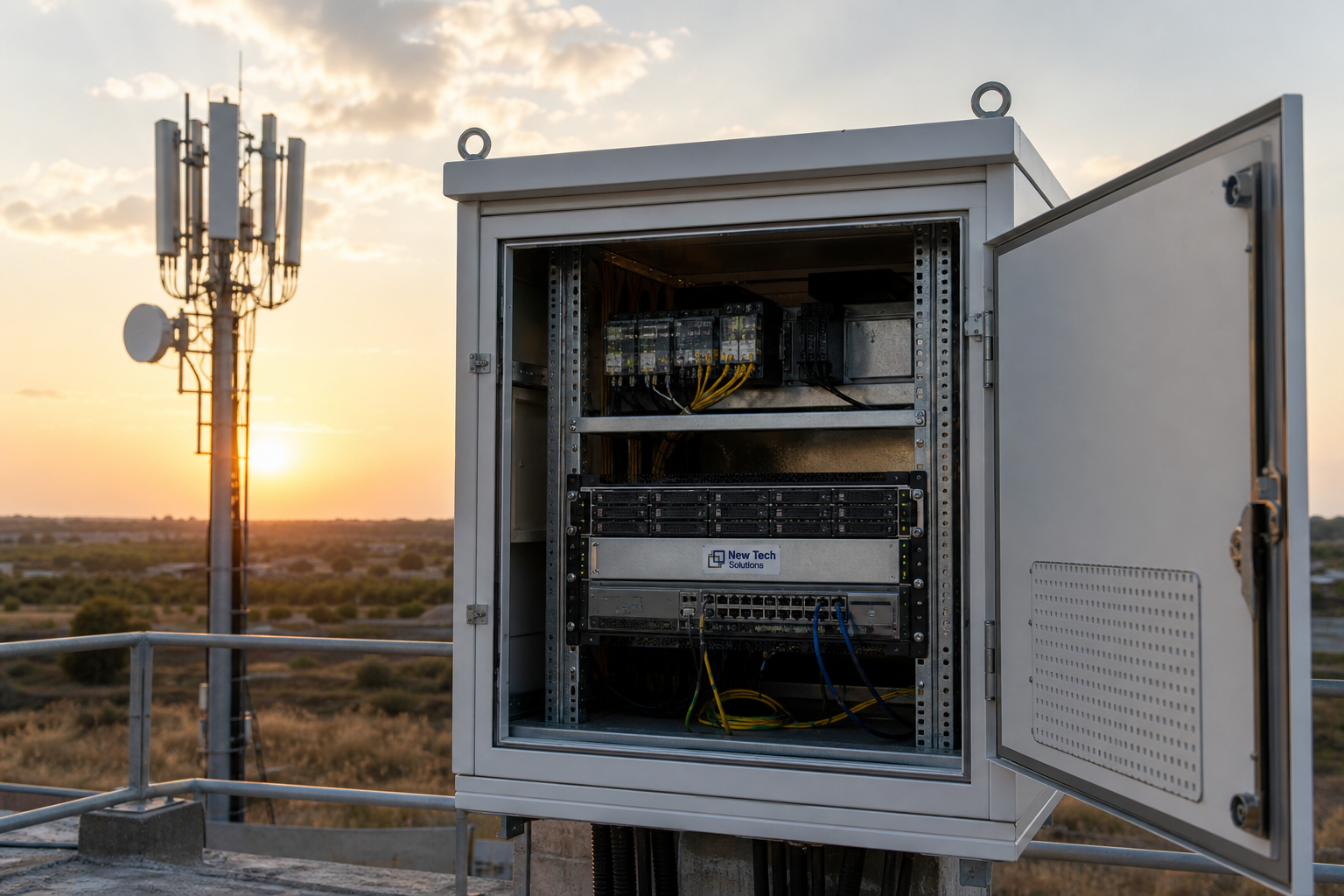
East-west fabric and edge backhaul decide whether accelerators stay busy. Undersized leaf-spine, optics, or SmartNIC offload turns expensive GPUs into expensive idle assets.
If your roadmap includes accelerated computing, high-throughput storage, or hybrid edge sites, misunderstanding Network Design creates mismatched BOMs: overbuilt nodes sitting idle, or underbuilt fabrics that cannot feed accelerators. Clarifying the term early shortens design reviews and reduces rework after award.
For AI and HPC estates, Network Design often interacts with scheduling, data locality, and night-shift maintenance windows that pure cloud SKUs hide behind APIs.
Ask vendors—and NTS—to map Network Design to measurable outcomes: latency, IOPS, watts per rack, recovery objectives, or accreditation evidence. Vocabulary without metrics rarely survives a federal technical evaluation.
How NTS helps
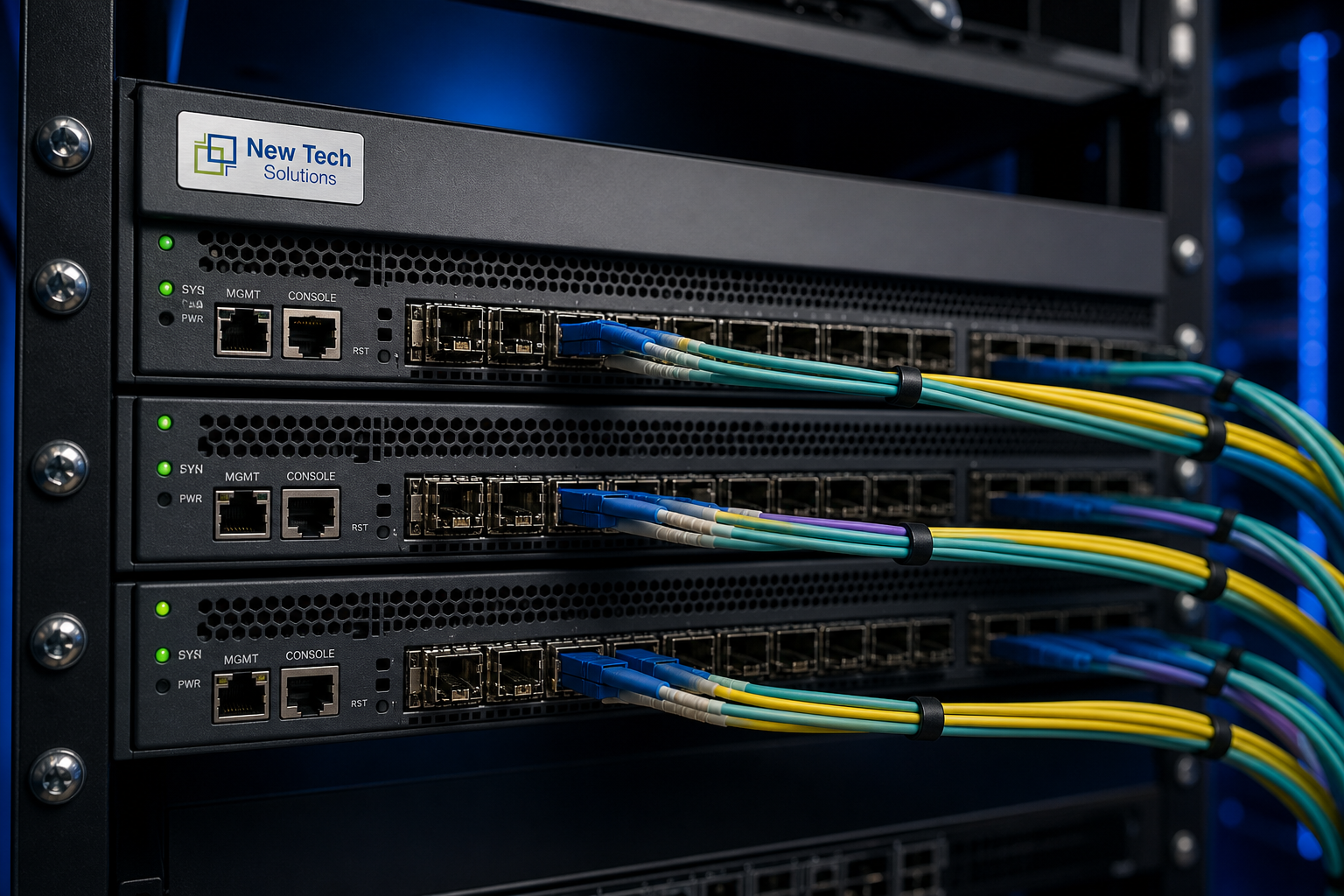
NTS integrates leaf-spine, optics, and DPU/SmartNIC options into the same BOM as compute, so fabric is not a late surprise at rack integration.
Our staging process images firmware, validates remote management, and burn-in exercises that surface integration issues before shipment. That is how abstract glossary language becomes a rack your operators can trust on day one.
Use our glossary as the shared vocabulary, then work with NTS solution architects to translate Network Design into validated configurations, integration plans, and delivery schedules. Explore the full term list on the NTS Technology Glossary — Network Design page, or browse more guides on the NTS blog.
← Back to glossary: Network Design